



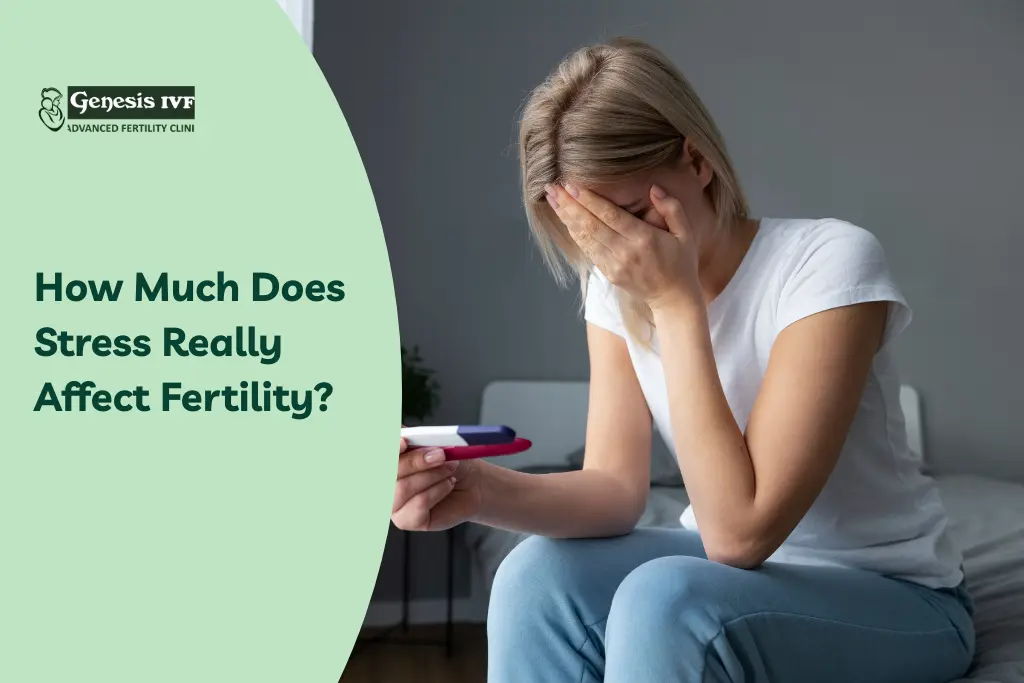
Stress has become a normal part of modern life, but when it comes to fertility, its impact is often misunderstood. Many couples trying to conceive wonder whether stress alone can delay pregnancy or reduce fertility. While stress may not directly cause infertility, research shows it can significantly affect reproductive hormones, ovulation, sperm quality, and treatment outcomes. At Genesis IVF, we help couples understand the real connection between stress and fertility, enabling them to take informed, confident steps toward successful conception.
How Stress Affects Fertility: The Science Behind It
Stress triggers the release of cortisol and adrenaline, hormones designed to protect the body in emergencies. When stress becomes chronic, elevated cortisol levels interfere with the hypothalamic-pituitary-gonadal axis, which regulates reproductive hormones.
In women, stress can disrupt the release of gonadotropin-releasing hormone (GnRH), leading to irregular ovulation or delayed menstrual cycles. In men, stress may reduce testosterone levels and impair sperm production. This hormonal imbalance explains why prolonged emotional stress can affect fertility over time.
Stress and Female Fertility
Stress affects female fertility in multiple ways. High stress levels may cause irregular periods, anovulation, or luteal phase defects. Women experiencing chronic anxiety often report cycle delays, missed ovulation, or hormonal fluctuations.
Stress also impacts uterine receptivity. Poor blood flow and inflammation linked to stress may reduce implantation chances. During fertility treatments like IVF, unmanaged stress can affect hormone response, egg quality, and embryo implantation rates. Emotional well-being plays a key role in reproductive health.
Stress and Male Fertility
Men are equally affected by stress-related fertility issues. Psychological stress can reduce sperm concentration, motility, and morphology. Elevated cortisol suppresses testosterone production, which is essential for sperm development.
Studies show that men under prolonged work stress, emotional strain, or sleep deprivation often experience reduced semen quality. Stress may also contribute to erectile dysfunction or reduced libido, indirectly affecting conception chances.
Does Stress Cause Infertility?
Stress alone does not directly cause infertility, but it can worsen existing fertility issues. Conditions like PCOS, endometriosis, low ovarian reserve, or poor sperm quality may become more pronounced under chronic stress.
Stress can also lead to unhealthy coping behaviors such as poor diet, smoking, alcohol consumption, or sleep disturbances, which further affect reproductive health. Therefore, stress acts as a contributing factor rather than a single cause of infertility.
Stress During Fertility Treatments and IVF
Trying to conceive itself can be emotionally exhausting. Couples undergoing IVF or IUI often experience anxiety, fear of failure, and emotional burnout. High stress during treatment cycles has been associated with lower success rates in some studies.
However, it is important to note that stress does not mean treatment will fail. At Genesis IVF Clinic, emotional well-being is addressed alongside medical treatment to support better outcomes. Stress management improves hormonal balance, treatment adherence, and overall patient experience.
How to Manage Stress for Better Fertility Outcomes
Managing stress can improve both natural fertility and assisted reproduction success. Simple lifestyle changes make a meaningful difference.
Mindfulness practices such as meditation and deep breathing reduce cortisol levels. Gentle physical activity like yoga or walking improves blood circulation and hormone balance. Adequate sleep supports reproductive hormone regulation.
Emotional support through counseling or fertility support groups helps couples cope with uncertainty and anxiety. At Genesis IVF, personalized fertility counseling is offered to address both physical and emotional aspects of treatment.
When to Seek Professional Help
If stress feels overwhelming or begins to affect daily life, sleep, or relationships, professional help is recommended. Fertility specialists and counselors work together to identify stress-related barriers to conception.
At Genesis IVF Clinic, patients receive a holistic approach that combines advanced reproductive medicine with emotional care. Addressing stress early can improve fertility outcomes and overall well-being. To further support successful treatment, patients are advised to follow expert guidance on what to avoid during IVF, helping reduce risks and improve success rates.
Conclusion
Stress does affect fertility, but it is rarely the sole reason for infertility. Chronic stress disrupts hormonal balance, ovulation, sperm quality, and treatment response. By understanding the connection between stress and fertility, couples can take proactive steps to manage emotional health alongside medical care.
At Genesis IVF Clinic, a compassionate, integrated approach ensures both mind and body are supported on the journey to parenthood. For better clarity and awareness, patients are also encouraged to understand common misconceptions by reading our guide on myths vs facts about IVF treatment.
Frequently Asked Questions
- Can stress alone prevent pregnancy?
Stress alone does not cause infertility but can reduce fertility by affecting hormones and ovulation. - Does stress affect IVF success rates?
High stress may impact hormonal response and implantation, but IVF can still succeed with proper support. - How does stress affect ovulation?
Stress disrupts GnRH release, which can delay or prevent ovulation. - Can stress reduce sperm quality?
Yes, chronic stress can lower sperm count, motility, and testosterone levels. - What is the best way to reduce fertility-related stress?
Mindfulness, counseling, healthy sleep, and professional fertility support are effective.