


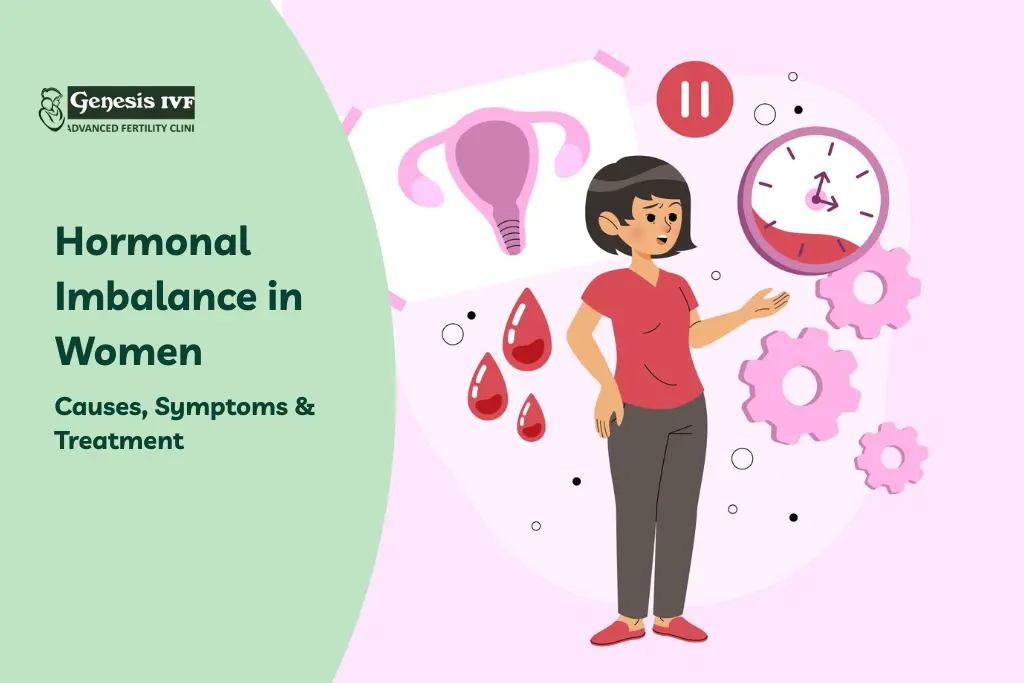
Hormonal imbalance in women occurs when the body produces too much or too little of one or more hormones. Hormones control vital functions such as menstruation, ovulation, metabolism, mood, sleep, and fertility. Even a small imbalance can lead to noticeable physical and emotional changes and may affect a woman’s ability to conceive.
At Genesis IVF, hormonal health is considered a key foundation for overall well-being and successful fertility treatment.
What Is Hormonal Imbalance in Women?
Hormonal imbalance happens when glands such as the thyroid, ovaries, adrenal glands, or pituitary gland do not function properly. These glands release hormones like estrogen, progesterone, insulin, cortisol, and thyroid hormones. When these hormones are out of balance, the body’s normal systems are disrupted.
Hormonal imbalance is common in women due to puberty, pregnancy, postpartum changes, menopause, lifestyle factors, and medical conditions.
Common Causes of Hormonal Imbalance in Women
Several factors can trigger hormone imbalance, including:
- Polycystic Ovary Syndrome (PCOS)
- Thyroid disorders (hypothyroidism or hyperthyroidism)
- Chronic stress and high cortisol levels
- Poor diet and nutritional deficiencies
- Sudden weight gain or weight loss
- Insulin resistance and diabetes
- Irregular sleep patterns
- Use or withdrawal of hormonal contraceptives
- Menopause or perimenopause
- Certain fertility-related conditions
Understanding the root cause is essential for effective treatment.
Hormonal Imbalance Symptoms in Females
Symptoms vary depending on which hormone is affected. Common hormonal imbalance symptoms in females include:
- Irregular or missed periods
- Heavy or painful menstruation
- Difficulty conceiving
- Unexplained weight gain
- Acne or oily skin
- Hair fall or excessive facial hair
- Fatigue and low energy
- Mood swings, anxiety, or depression
- Sleep disturbances
- Low libido
- Digestive issues
- Headaches or migraines
If these symptoms persist, medical evaluation is strongly recommended.
How Hormonal Imbalance Affects Fertility
Hormonal balance plays a critical role in ovulation and implantation. Hormone imbalance can:
- Prevent regular ovulation
- Affect egg quality
- Disrupt menstrual cycles
- Reduce implantation chances
- Increase miscarriage risk
At Genesis IVF, hormonal assessments are a core part of fertility diagnosis and treatment planning.
How to Diagnose Hormonal Imbalance
Diagnosis typically includes:
- Blood tests to measure hormone levels
- Thyroid function tests
- Ultrasound scans
- Menstrual cycle tracking
- Medical and lifestyle history evaluation
Early diagnosis allows targeted and effective treatment.
How to Cure Hormonal Imbalance in Females
Treatment depends on the cause and severity. Common treatment approaches include:
Medical Treatment
- Hormonal therapy
- Thyroid medications
- Insulin-regulating medicines
- Ovulation induction when fertility is affected
Lifestyle Changes
- Balanced diet rich in protein, fiber, and healthy fats
- Regular physical activity
- Stress management through yoga or meditation
- Proper sleep routines
- Reducing sugar and processed foods
Fertility-Focused Care
At Genesis IVF Clinic, treatment plans are personalized to restore hormonal balance while supporting reproductive goals. Advanced fertility treatments are combined with hormonal regulation for better outcomes, especially for couples seeking clarity on reasons for not getting pregnant when everything is normal.
How to Balance Hormones Naturally
While medical care is essential, supportive lifestyle changes can help:
- Eat whole, nutrient-dense foods
- Maintain a healthy weight
- Manage stress effectively
- Avoid excessive caffeine and alcohol
- Follow a consistent sleep schedule
- Stay physically active
Natural methods work best when guided by a medical professional.
When to See a Doctor
You should consult a specialist if you experience persistent symptoms of hormonal imbalance, irregular periods, or difficulty conceiving. Early intervention can prevent long-term complications and improve fertility outcomes.
Conclusion
Hormonal imbalance in women is common but manageable with the right diagnosis and treatment. From menstrual irregularities to fertility challenges, hormonal health impacts every stage of a woman’s life. With expert medical care, lifestyle guidance, and fertility-focused treatment, balance can be restored.
Genesis IVF Clinic offers a comprehensive, compassionate approach to diagnosing and treating hormonal imbalance, helping women achieve better health and successful pregnancies, while also guiding patients on early pregnancy signs such as pregnancy urine color and other important body changes.
FAQ Content
- What is hormonal imbalance in women?
Hormonal imbalance in women occurs when there is too much or too little of a hormone in the body, affecting periods, fertility, mood, metabolism, and overall health.
- What are the common symptoms of hormonal imbalance in females?
Common symptoms include irregular periods, weight gain, acne, hair fall, mood swings, fatigue, sleep issues, and difficulty in getting pregnant.
- Can hormonal imbalance cause infertility?
Yes. Hormonal imbalance can disrupt ovulation, menstrual cycles, and implantation, making it difficult to conceive without proper treatment.
- How to cure hormonal imbalance in females?
Hormonal imbalance is treated through medications, hormone therapy, lifestyle changes, stress management, and fertility-focused treatments based on the underlying cause.
- How is hormonal imbalance diagnosed?
Diagnosis is done using blood tests, thyroid tests, ultrasound scans, menstrual history evaluation, and hormone level analysis by a specialist.
- Can hormonal imbalance be corrected naturally?
Mild hormonal imbalance can improve with a balanced diet, regular exercise, proper sleep, stress reduction, and medical guidance.
- When should I see a doctor for hormonal imbalance?
You should consult a doctor if you experience persistent symptoms like irregular periods, unexplained weight changes, or difficulty conceiving.