

When it comes to women’s reproductive health, understanding ovarian cyst symptoms is essential for early detection and timely treatment. At Genesis IVF, one of the trusted centres for IVF treatment in Chennai, we help women identify and manage ovarian cysts effectively, ensuring their fertility health is well-protected.
What if a small, unnoticed cyst could hold the key to your fertility health?
What Are Ovarian Cysts?
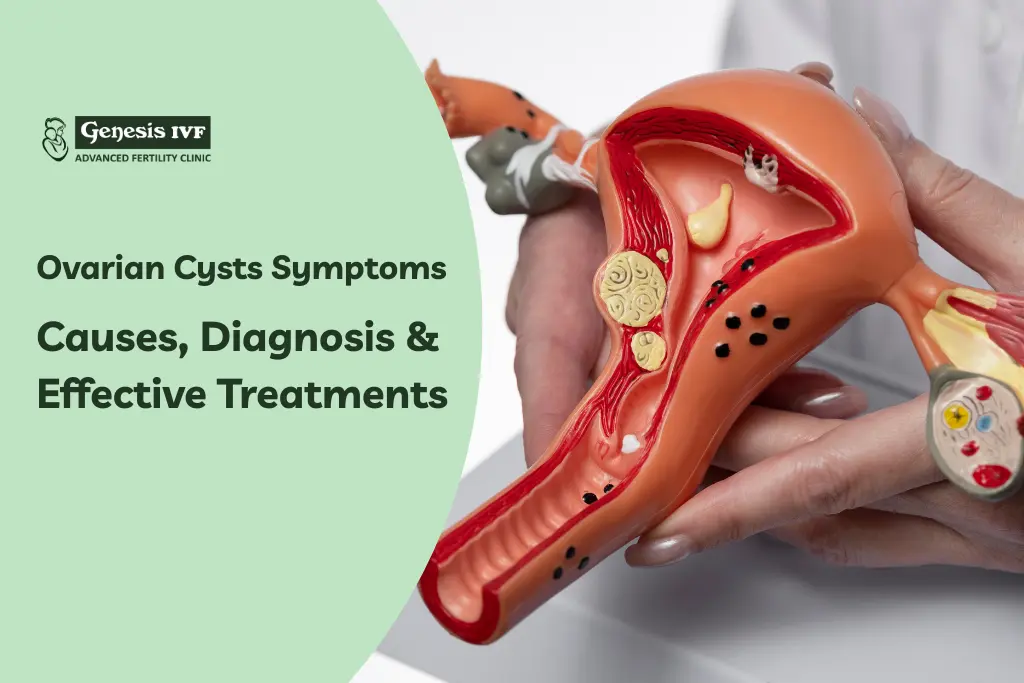
Ovarian cysts are fluid-filled sacs that develop on or within a woman’s ovaries. They are common during reproductive years and are often harmless. However, some cysts may cause discomfort, affect hormonal balance, or interfere with fertility if left untreated. Recognizing the signs and symptoms of ovarian cyst is the first step toward proper diagnosis and treatment.
Common Symptoms of Ovarian Cysts
While many cysts go unnoticed and dissolve on their own, some may cause noticeable symptoms. These may include:
- Pelvic pain or lower abdominal discomfort
- Bloating or heaviness in the abdomen
- Irregular menstrual cycles
- Pain during intercourse
- Nausea or vomiting
- Frequent urination due to pressure on the bladder
In certain cases, you may experience ovarian cyst pregnancy symptoms, such as tenderness, bloating, or missed periods, which can sometimes be mistaken for early pregnancy signs. Consulting a fertility specialist helps distinguish between cyst-related symptoms and pregnancy indicators.
Right and Left Ovarian Cyst Symptoms
Ovarian cysts can form on either ovary, leading to side-specific symptoms.
- Right ovarian cyst symptoms often include sharp pain or discomfort on the lower right side of the abdomen, which may radiate to the back or thighs.
- Left ovarian cyst symptoms typically mirror these sensations but occur on the lower left side, occasionally causing digestive issues due to the proximity to the bowel.
Pain on one side of the abdomen, particularly if sudden or severe, should always be checked by a gynecologist to rule out complications like cyst rupture or torsion.
What Causes Ovarian Cysts?
Understanding ovarian cyst causes helps prevent recurrence and manage future risk. The most common causes include:
- Hormonal imbalances: Fluctuations in estrogen and progesterone levels may trigger cyst formation.
- Endometriosis: Tissue similar to uterine lining grows outside the uterus, sometimes forming cysts known as endometriomas.
- Pregnancy: Some cysts form early in pregnancy and usually disappear as it progresses.
- Severe pelvic infections: Infections can spread to the ovaries, leading to cyst development.
- Underlying conditions: Polycystic Ovary Syndrome (PCOS) can cause multiple small cysts on the ovaries, disrupting ovulation and hormone levels.
To understand how PCOS differs from other cyst-related issues, read our detailed blog on PCOS vs PCOD: Key Differences, Symptoms and Treatments.
Can Ovarian Cysts Affect Fertility?
Many women wonder, can ovarian cyst cause infertility? The answer depends on the type and size of the cyst.
Functional cysts, which occur naturally during ovulation, rarely affect fertility. However, cysts caused by endometriosis or PCOS may interfere with ovulation, hormone production, or the release of eggs, making conception challenging.
In such cases, fertility experts may recommend assisted reproductive treatments like IUI or IVF to increase the chances of pregnancy. Genesis IVF specializes in helping women overcome these barriers with personalized care and advanced reproductive technology.
Can Ovarian Cysts Cause Pain?
Yes, can ovarian cysts cause pain is a common concern. Small cysts are usually painless, but larger or ruptured cysts may lead to sudden, sharp pelvic pain. Pain can also occur if a cyst twists around the ovary (a condition known as ovarian torsion), requiring immediate medical attention.
Persistent or severe pain should never be ignored. Early evaluation can prevent complications and preserve reproductive health.
Diagnosis of Ovarian Cysts
Diagnosing ovarian cysts involves a combination of physical examination and imaging techniques:
- Pelvic Examination: The doctor may feel for swelling or tenderness in the lower abdomen.
- Ultrasound: This imaging test helps visualize cysts, their size, and whether they are fluid-filled or solid.
- Blood Tests: Hormone level tests and CA-125 tests may be conducted to rule out malignancy.
- Laparoscopy: In rare cases, minimally invasive surgery helps diagnose and remove cysts simultaneously.
Regular gynecological checkups are key to identifying cysts early, especially for women with a history of PCOS or hormonal imbalance.
Effective Treatment Options for Ovarian Cysts
The treatment approach depends on the cyst’s size, type, and symptoms. Common options include:
- Watchful Waiting: Small, functional cysts often resolve naturally. Doctors may recommend monitoring with periodic ultrasounds.
- Medications: Birth control pills can help regulate hormones and prevent new cysts from forming.
- Surgical Removal: Laparoscopic cystectomy or oophorectomy may be performed if the cyst is large, persistent, or causing severe symptoms.
- Fertility Treatment: For women facing conception challenges due to cyst-related issues, IVF or ICSI can be highly effective.
At Genesis IVF, we provide comprehensive fertility evaluations and treatments that support women in achieving their dream of motherhood, even with underlying ovarian issues.
To learn more about enhancing fertility and conceiving despite medical challenges, read our guide on How to Successfully Conceive with Fertility Challenges.
When to See a Doctor
Seek immediate medical care if you experience:
- Sudden, intense pelvic pain
- Fever or vomiting
- Dizziness or fainting
- Rapid breathing
These could signal a ruptured cyst or torsion, which requires urgent treatment.
Conclusion
Ovarian cysts are common, but timely awareness and medical care can make all the difference. Whether you’re managing symptoms, planning for pregnancy, or concerned about fertility, expert guidance from Genesis IVF ensures a healthy reproductive journey. With early diagnosis, tailored treatment, and compassionate care, you can protect your fertility and regain confidence in your health.